Breathing exercises for anxiety There are many, but not all of them really help to connect with the body, release tension and regain a sense of presence, calm and bodily pleasure.
When the mind is accelerated, the body tends to shut down. Your shoulders, jaw and abdomen tense up, and your ability to feel is also reduced. That's why talking about breathing and pleasure is not something abstract: breathing better can help you reduce stress and connect with your body, release physical and emotional tension and reconnect with sensations that anxiety often dulls. If you've been feeling disconnected, uncomfortable or overly alert lately, these exercises can be a good place to start.
Why anxiety interferes with pleasure and mind-body connection
Anxiety not only affects what you think; it also changes how you inhabit your body. When the nervous system is in defense mode, it is difficult to relax, concentrate and feel enjoyment. This disconnection affects breathing, attention and body sensitivity.
Therefore, the mind-body connection is not regained by forcing desire or demanding the body to respond. It starts when you slow down, regulate your breathing and give your body signals of safety. That's where conscious breathing and relaxation can make a real difference.
Breathing exercises for anxiety to help reconnect with the body
Diaphragmatic breathing for anxiety: back to the abdomen
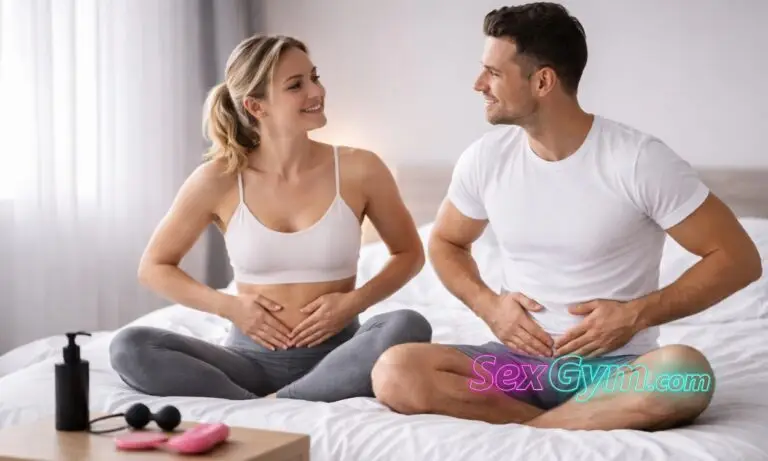
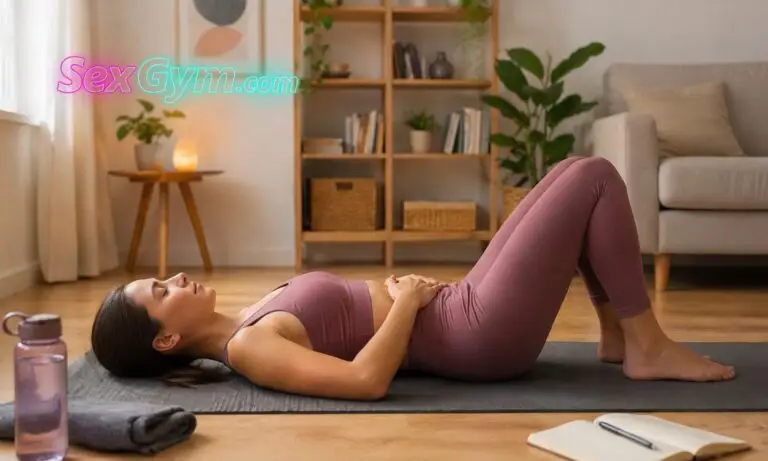
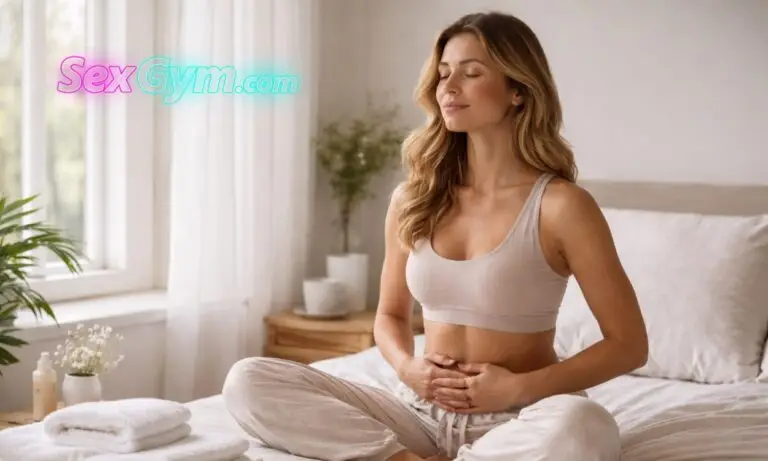
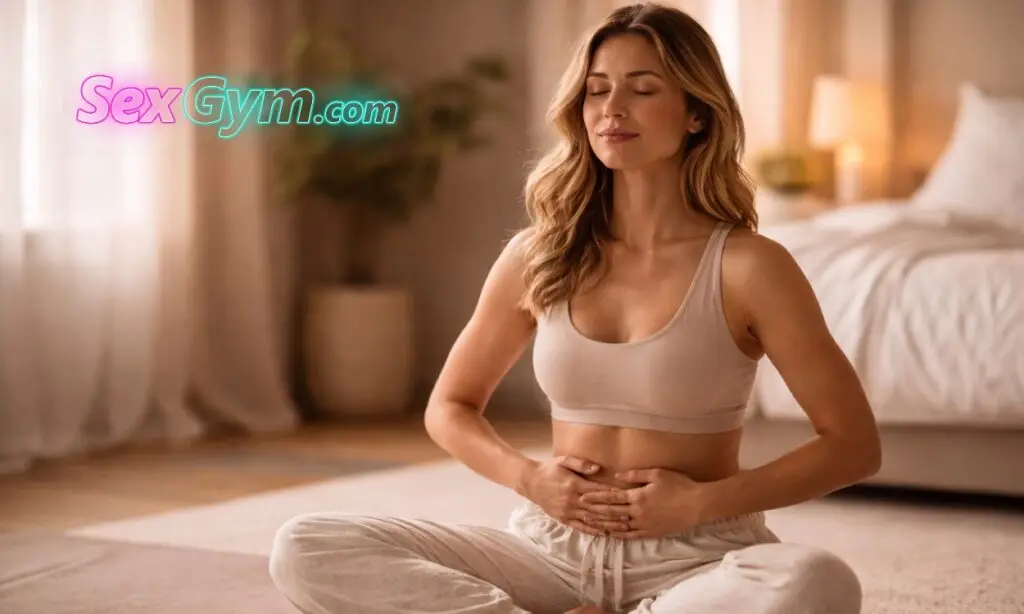
Diaphragmatic breathing for anxiety is one of the most useful techniques when you feel tightness in your chest or a mind that won't stop. Sit or lie down. Place one hand on your chest and one on your abdomen. Breathe in through your nose, trying to bring the hand on your abdomen up more than the one on your chest. Exhale slowly through your mouth.
Do this for three to five minutes without looking for perfection. This exercise helps you breathe more deeply, release stiffness and create a more stable foundation for feeling present. It is also a simple form of breathing to relax before bedtime, before an intimate moment or in the middle of a stressful day.
Long exhalation to calm the mind quickly
If you need exercises to lower anxiety quickly, try something simple: inhale in four beats and exhale in six or eight. The long exhalation tells the body that it can come out of the alert state.
Among the breathing techniques to calm the mind, this one usually works very well because it does not require too much and can be done almost anywhere. After several rounds, many people notice less mental agitation and more inner space.
Breathing with body scanning
In order to connect with the body, it is not enough to breathe automatically. It is also useful to observe which areas are tense. Inhale slowly and, as you exhale, bring your attention to a part of the body: neck, chest, abdomen, pelvis, legs. Do not try to change anything immediately; just feel.
This type of body awareness exercise helps to identify where you hold tension and how your body responds when it receives non-judgmental attention. It is a useful practice for mindfulness and pleasure, because it trains presence rather than performance.
How to feel more bodily pleasure from a state of greater calmness
Less haste, more sensitivity
Many people want to reconnect with pleasure, but continue to experience the body with urgency, demand or distraction. Pleasure often appears best when there is space, breath and attention. It is not just about intensity, but sensitivity.
Reducing stress and connecting with the body involves slowing down enough to notice temperature, pressure, relief, desire or rest. When the breath changes, so does the way you feel.
Creating habits to reduce anxiety in everyday life
Not everything is solved in a specific moment. Habits to reduce anxiety also count: sleep better, reduce excess stimuli, move regularly, breathe consciously a couple of times a day and give yourself real breaks.
If you want to delve deeper into this body work from a guided, private and progressive approach, it may be useful to explore intimate wellness and body connection programs at SexGym.
Complementary exercises to release physical and emotional tension
In addition to breathing, it is helpful to accompany the process with gentle movement. Stretching the hips, loosening the chest, moving the pelvis or walking with attention can help you release accumulated physical and emotional tension. Many times, the body does not need more strength, but more permission to loosen up.
In that process, some people find support in specific routines such as the exercises for men focused on body control and connection or the exercises for women oriented to sensitivity, awareness and pleasureespecially when they want to go beyond general advice and work more consistently.
Breathing and pleasure: a realistic practice to come back to you
Reconnecting with pleasure doesn't always start with looking for more. Sometimes it starts with taking pressure off, breathing better and listening to your body more patiently. Breathing exercises for anxiety can help you regain presence, improve the mind-body connection and feel more available for rest, calm and enjoyment.
If you want to turn this into a more stable practice, explore guided exercises to better connect with your bodycan help you create a clearer, more progressive and useful routine in your daily life.